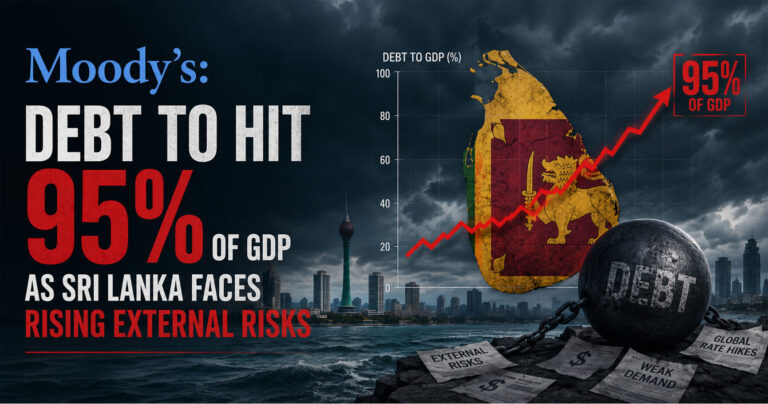

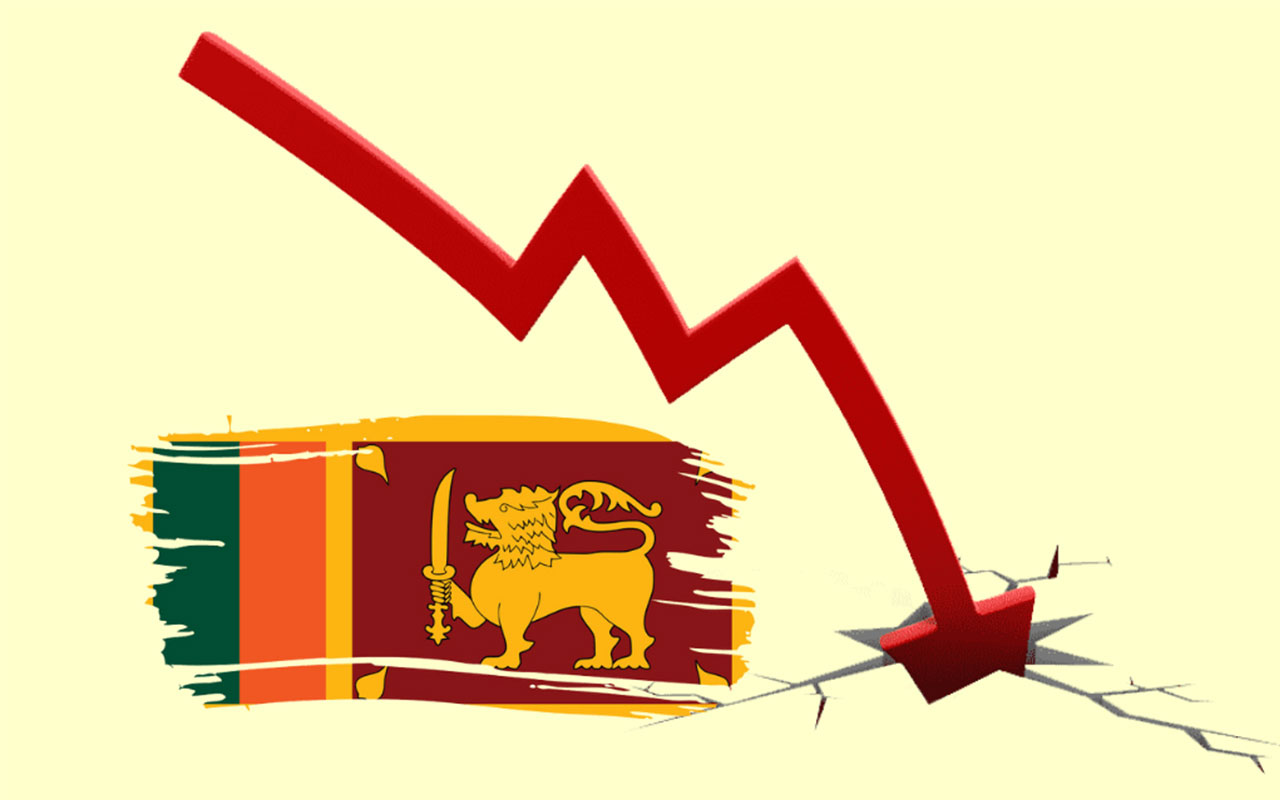
Sri Lanka’s total public debt has climbed to USD 97.952 billion, according to the latest official data, underscoring the scale of the financial challenge the country continues to confront as it works through a fragile post‑crisis recovery.
A Nation Still Emerging From Turmoil
The newly released debt figure highlights the depth of Sri Lanka’s fiscal obligations following years of economic instability that culminated in the 2022 sovereign default — the first in the nation’s post‑independence history. The debt stock includes both domestic and external borrowings accumulated across successive governments, reflecting long‑term commitments that continue to shape the country’s economic trajectory.
Restructuring Efforts Continue Under IMF Programme
Sri Lanka remains engaged in complex negotiations with bilateral lenders and international bondholders as part of its ongoing debt restructuring programme backed by the International Monetary Fund (IMF). The IMF bailout package, secured in 2022, has served as a critical lifeline, providing financial support and a framework for reforms aimed at stabilising the economy.
Authorities have repeatedly emphasised the need for fiscal discipline, improved governance, and structural reforms to gradually reduce the debt burden and rebuild confidence among global investors.
Impact on Citizens
Economists warn that the sheer size of the public debt has direct consequences for ordinary Sri Lankans. Debt servicing continues to absorb a significant share of government revenue, limiting fiscal space for essential public services such as healthcare, education, and infrastructure development.
With the country still under an active IMF‑supported recovery programme, analysts say sustained revenue generation and prudent public spending will be crucial to ensuring Sri Lanka’s debt trajectory begins to decline over the coming years.
About the Author