
SLPP alleges Rs. 50bn coal loss, 323-container controversy and missing dollars are being buried behind high-profile opposition arrests
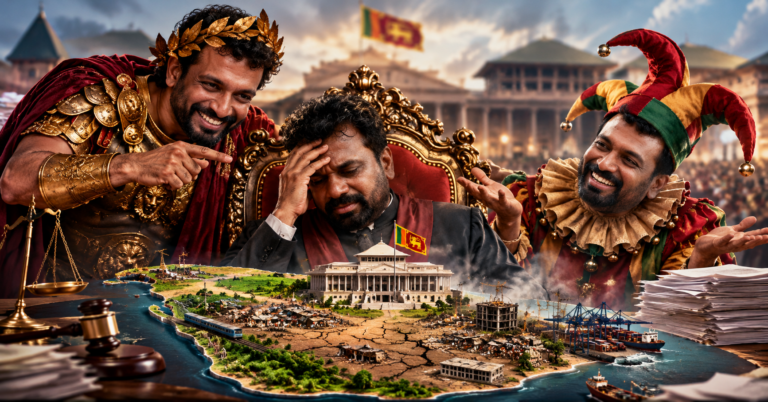
The Sri Lanka Podujana Peramuna (SLPP) has launched a blistering attack on the government, accusing it of turning law enforcement into a political weapon while allegedly allowing multi-billion-rupee scandals linked to its own administration to go unanswered.
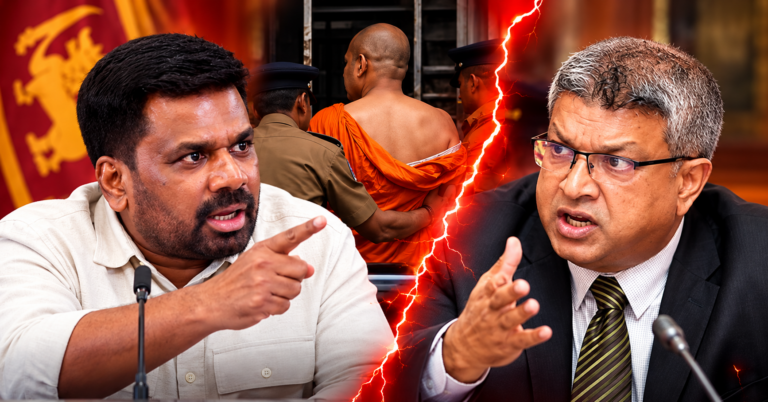
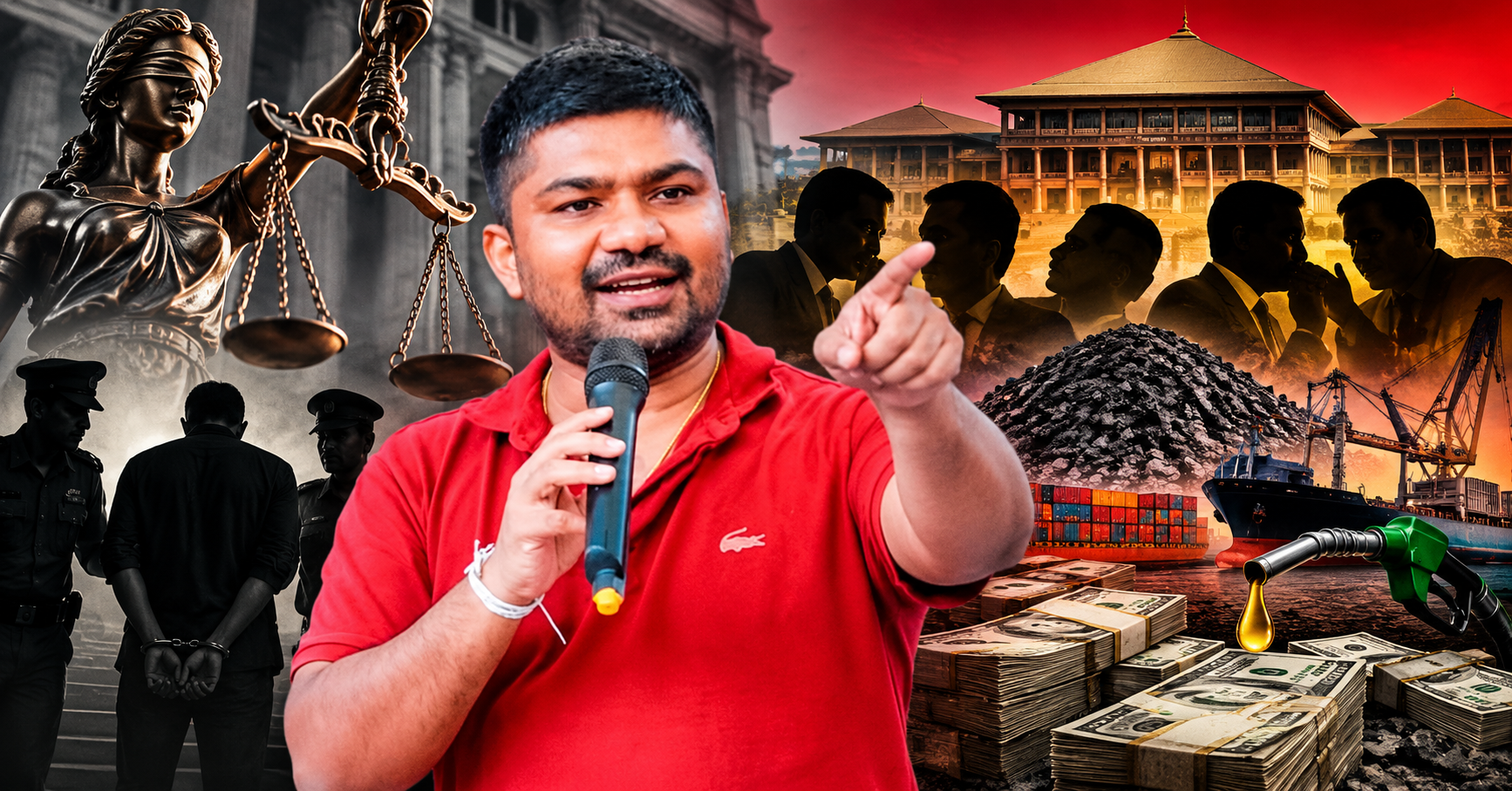
Launching the “Yukthiya Wenuwen Nagitimu” (Stand Up for Justice) conference series in Kalutara, SLPP National Convener D.V. Chanaka alleged that opposition politicians were being arrested and paraded before the public whenever damaging allegations against the government began dominating the political agenda.
His charge was stark: one law for the opposition, another for those in power.
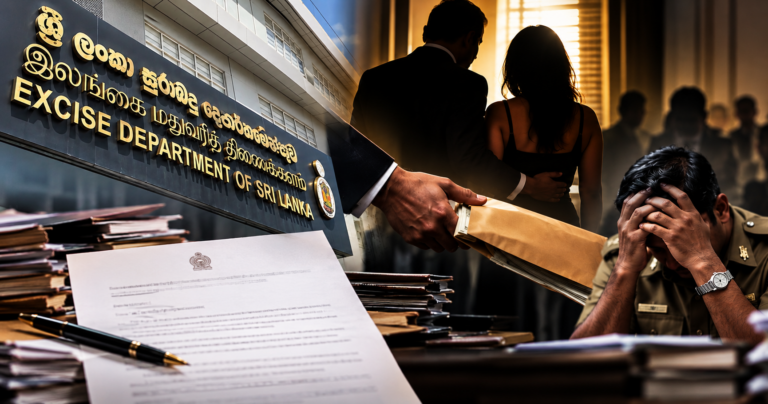
Chanaka pointed to a string of controversies—including alleged losses from coal procurement, the release of 323 containers, a missing US$2.5 million and alleged illegal foreign-currency outflows—and questioned why the same urgency displayed in investigations against opposition politicians was not visible in these cases.
Rs. 50 BILLION COAL QUESTION
At the centre of Chanaka’s attack was the government’s coal procurement process.
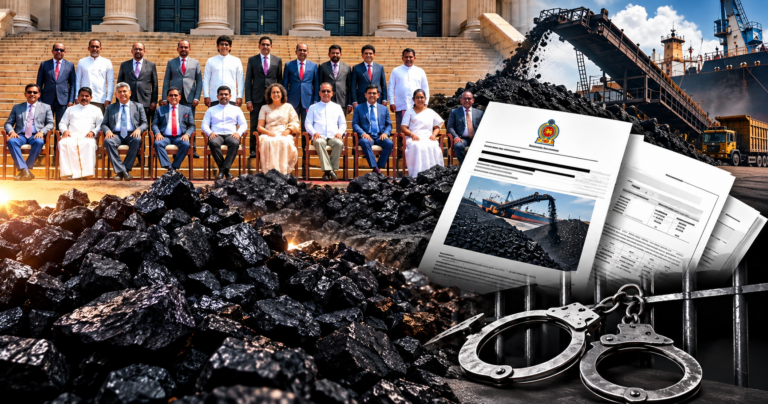
He alleged that all 19 coal shipments imported under the current administration had encountered quality or procedural issues and claimed the resulting loss amounted to around Rs. 50 billion.
Chanaka argued that, spread across approximately six million electricity consumers, the alleged loss would amount to an effective burden of roughly Rs. 8,500 per household.
Yet, he claimed, despite more than 23 complaints being lodged with the CIABOC and CID, the public had seen no comparable wave of arrests or prosecutions.
His challenge to the government was simple: If there is nothing to hide, where are the investigations and arrests?
323 CONTAINERS — BUT WHO IS ACCOUNTABLE?
Chanaka then turned to the controversy surrounding 323 containers allegedly released outside proper procedures.
He also raised questions over an alleged US$2.5 million discrepancy and demanded to know why no suspects had been taken into custody over the matter.
Adding another layer to his accusations, Chanaka claimed that a senior police officer involved in a recent major drug operation had been transferred in circumstances that, he alleged, were intended to prevent connections being drawn with the container controversy.
These remain allegations made by Chanaka and require independent verification and responses from the relevant authorities.
“SCANDAL BREAKS — OPPOSITION LEADER GETS ARRESTED”
Chanaka’s most politically explosive allegation was that high-profile opposition arrests were being used as a deliberate media diversion strategy.
He named Shasheendra Rajapaksa, Johnston Fernando and Namal Rajapaksa, alleging that investigations and arrests involving prominent opposition figures were being pushed into the headlines whenever politically damaging allegations against the administration surfaced.
According to Chanaka, the pattern is becoming increasingly obvious: a controversy erupts, public attention turns towards the government, and suddenly an opposition politician becomes the centre of a major criminal investigation.
He accused the administration of using the machinery of the state not merely to investigate crime, but to control the political news cycle.
12-YEAR-OLD RUGBY CASE BACK IN THE SPOTLIGHT
Chanaka also attacked the handling of a case concerning corporate sponsorship funds connected to a rugby tournament approximately 12 years ago.
He questioned why investigators had allegedly failed to begin with basic steps such as interviewing tournament organisers and verifying whether the sponsorships had received proper corporate approval.
Instead, he alleged, investigators pursued arrests based on statements obtained during the investigation.
For Chanaka, the issue was not whether opposition politicians should be investigated.
His argument was that the same investigative standard must be applied to everyone—including those holding power today.
WHAT HAPPENED TO THE ALLEGED $1 BILLION?
Chanaka further claimed that more than US$1 billion was illegally moved out of Sri Lanka during 2025 and 2026, questioning what meaningful action had been taken to trace or recover the money.
He contrasted the alleged lack of progress on such financial cases with the speed and publicity surrounding investigations targeting opposition figures.
Chanaka also questioned the independence of the Police, CID and Commission to Investigate Allegations of Bribery or Corruption (CIABOC), alleging that senior appointments within key investigative institutions were politically connected to the ruling establishment.
FROM KALUTARA TO THE STREETS
The Kalutara meeting may now mark the beginning of a broader SLPP offensive against the government.
Chanaka announced that the “Stand Up for Justice” campaign would be taken across the island and called on opposition forces and members of the public to join street protests demanding accountability.
The political battle line drawn by the SLPP is clear:
If opposition politicians can be arrested over allegations, why, it asks, are those accused in scandals involving billions of rupees not facing the same visible force of the law?
For the government, that is now a question its opponents intend to take beyond Parliament—and directly to the streets.
The claims relating to coal procurement, containers, foreign-currency outflows, police transfers and political interference are allegations made by D.V. Chanaka. They should not be treated as established findings unless confirmed by the relevant investigative or judicial authorities.
About the Author