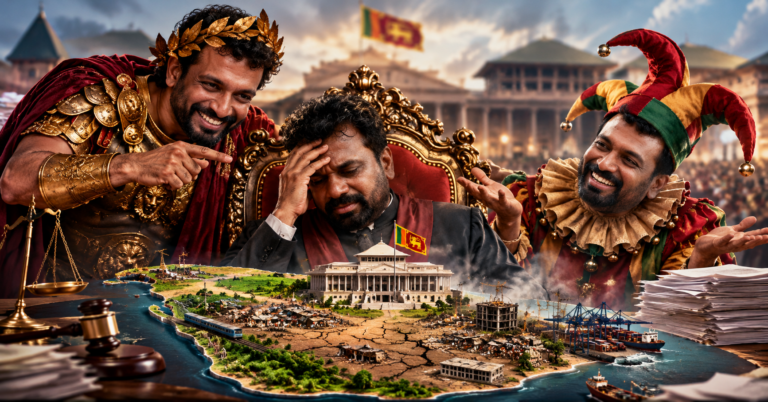

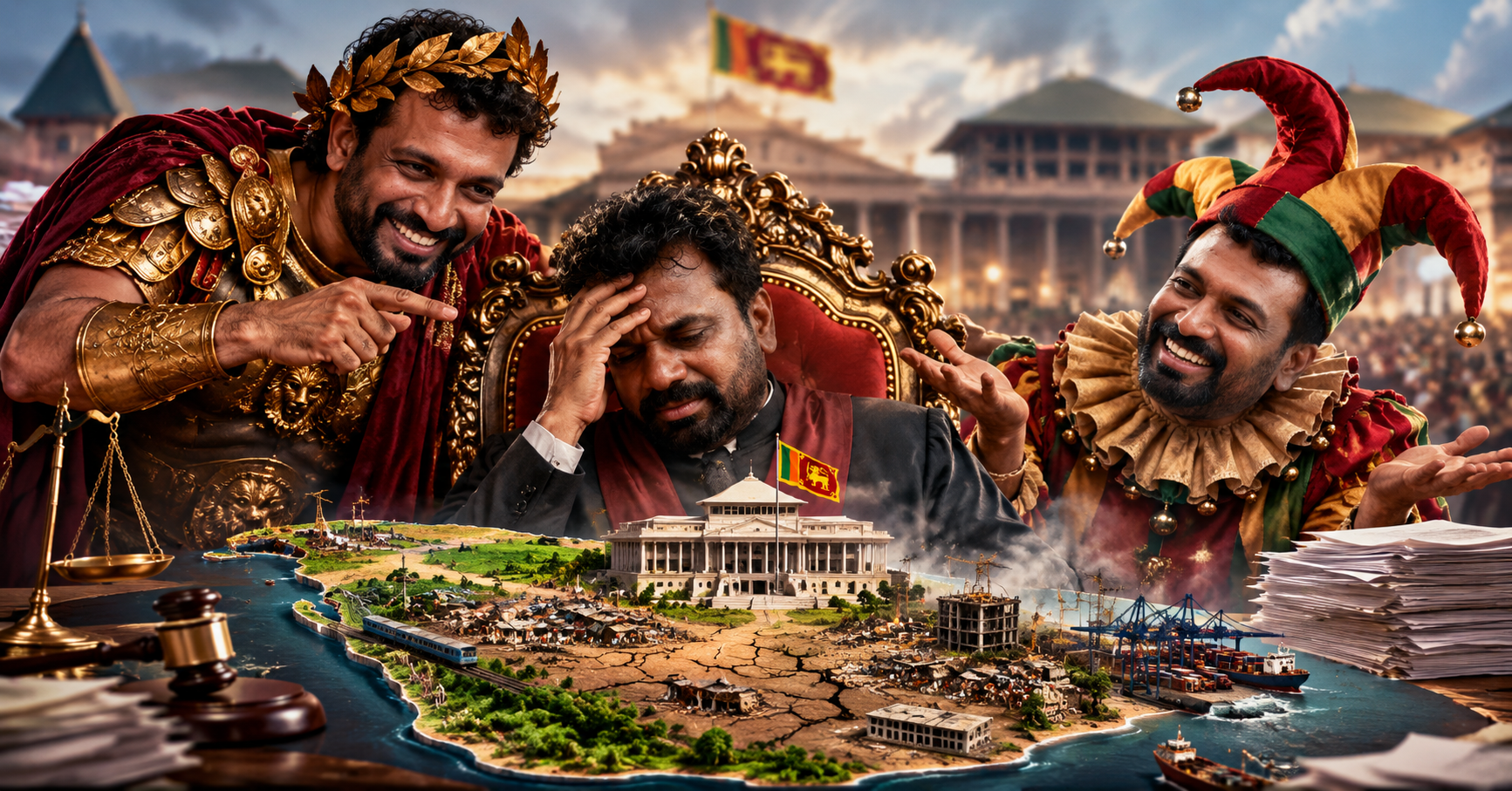
History can be unfair. Mention the Roman Emperor Caligula, and most people immediately think of excess, chaos and the famous story that he planned to appoint his horse to high office. Whether every story about him is true is still debated by historians, but his reputation survives because his administration often appeared to blur the line between government and theatre.
That brings us, cautiously and humorously, to modern politics.
Every new government arrives promising a fresh start. Supporters imagine a disciplined orchestra. Critics predict a circus. Reality, as usual, lies somewhere in between.
The amusing similarity between Caligula’s Rome and many modern administrations is not tyranny, corruption or any serious accusation. It is something much simpler: the tendency for political enthusiasm to collide spectacularly with administrative reality.
Caligula reportedly believed that because he was emperor, things should happen simply because he wanted them to happen. Modern reformist governments sometimes discover the opposite. Winning an election is like buying a Formula One car. Driving it around the track without hitting the wall is a completely different skill.
Supporters expect miracles by breakfast. Bureaucrats require forms, committees, regulations and procurement procedures. Somewhere between revolutionary slogans and Treasury circulars, political momentum often meets its natural predator: paperwork.
The comedy begins when expectations remain stuck in campaign mode.
“We will fix everything.”
“When?”
“Soon.”
“How soon?”
“After the committee.”
“Which committee?”
“The committee reviewing the committee.”
At this point, even Caligula’s horse might lose patience.
Another similarity lies in the relationship with loyal supporters. Every leader enjoys being surrounded by believers. The challenge is finding enough people willing to say, “Respectfully, that may not work.” History suggests that governing becomes difficult when applause becomes more common than advice.
Yet there is also an important difference.
Caligula ruled because he inherited power. Modern leaders earn office through elections and remain accountable to voters, institutions, courts, media scrutiny and public opinion. That difference matters enormously. Democratic mistakes can be corrected. Imperial mistakes often survived until someone organised a palace coup.
The deeper lesson is that every government eventually discovers the same truth: governing is less glamorous than campaigning. Campaigning is poetry. Governing is accounting.
Citizens, meanwhile, watch from the sidelines with equal measures of hope, frustration and amusement. They expected a grand historical transformation. Instead, they often receive the political equivalent of a software update: several promised features, a few unexpected bugs, and a note saying, “Further improvements will be released in the next version.”
And so the comedy continues.
Not because leaders are emperors, nor because governments are doomed to fail, but because every administration eventually learns the oldest lesson in public management:
Running a country is considerably harder than winning one.
Even Caligula’s horse might have agreed with that.

tc,
The Catalyst
About the Author