
Sri Lanka will have to navigate a demanding reform agenda over the next two years to retain its preferential access to the European Union market, according to the EU’s latest GSP+ review covering 2023–2025. The report, released ahead of sweeping regulatory changes that take effect in 2027, warns that while Sri Lanka continues to meet core treaty obligations, progress in several critical areas remains uneven.
Exports Decline, Utilisation Recovers
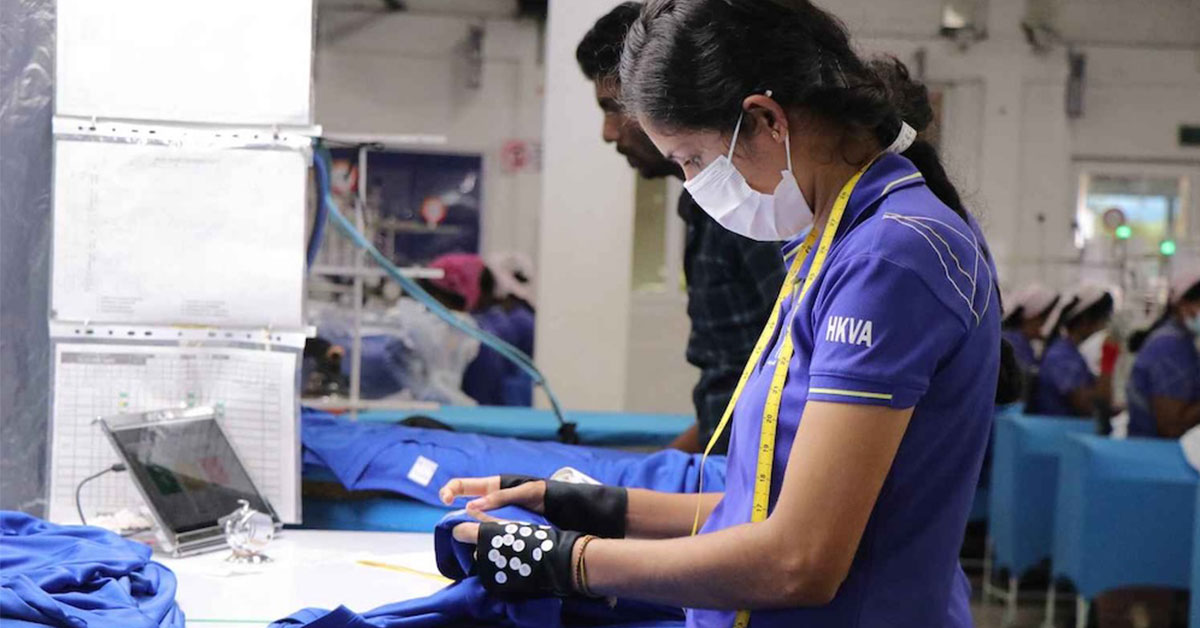
EU imports from Sri Lanka fell sharply over the review period, dropping from EUR 3.2 billion in 2022 to EUR 2.6 billion in 2024 — an average annual decline of 8.4%. Sri Lanka accounted for just 0.11% of total EU imports last year.
The use of GSP+ preferences also fluctuated. Imports of GSP+-eligible goods fell from EUR 2.7 billion in 2022 to EUR 2.2 billion in 2023, remaining at the same level in 2024. Actual utilisation dropped to EUR 1.3 billion in 2023 before recovering to EUR 1.5 billion in 2024.
The utilisation rate slid from 67.9% in 2022 to 58.9% in 2023, rebounding to 68.9% last year. The EU estimates Sri Lanka saved EUR 139 million in tariffs in 2024 — roughly 5% of the country’s total export value to the bloc.
New GSP+ Rules Raise the Bar
The EU’s revised GSP+ framework, effective 1 January 2027, expands the number of required international conventions from 27 to 32. The Paris Agreement replaces the Kyoto Protocol, and five new conventions — including those on disability rights, labour inspection, tripartite consultation, and transnational organised crime — have been added.
Countries already benefiting from GSP+ by 31 December 2026, including Sri Lanka, will have until the end of 2028 to submit fresh applications under the new criteria.
Mixed Compliance: Labour Strong, Human Rights Lagging
The EU notes that Sri Lanka has maintained ratification of all 27 existing conventions without reservations and remains fully compliant with reporting obligations for all eight labour-related treaties.
However, reporting delays persist across several human rights instruments. In governance, Sri Lanka meets reporting requirements but failed to provide information on licit trade and legitimate uses of certain regulated substances.
Civic space has “somewhat improved” since the 2024 elections, with the Government initiating public consultations and engaging civil society. But the EU says these processes must become more structured, transparent and consistent.
Legislative Bottlenecks: Online Safety Act, PTA Repeal
The National People’s Power (NPP) Government faces significant legislative hurdles. The EU highlights the lack of progress in amending the Online Safety Act and repealing the Prevention of Terrorism Act (PTA), both longstanding priorities under GSP+ monitoring.
A draft Protection of the State from Terrorism Act (PSTA), released for consultation in December 2025, removes some of the PTA’s most criticised provisions — including admissibility of police‑obtained confessions — and strengthens judicial oversight. Yet the EU says the draft still contains clauses incompatible with international human rights standards.
Human Rights Concerns Persist
The report cites continued systemic torture and ill‑treatment in detention facilities, including custodial deaths. In May 2025, the Human Rights Commission issued guidelines to the police to prevent such incidents.
Despite a de facto moratorium on executions since 1976, courts continue to impose death sentences. As of September 2025, 817 inmates were on death row.
Climate Commitments Align with Global Targets
Sri Lanka’s climate objectives are broadly aligned with the Paris Agreement’s 1.5°C pathway and the national goal of net‑zero emissions by 2050. The country submitted its first Biennial Transparency Report in December 2024 and a revised Nationally Determined Contribution (NDC) in 2025, targeting a 20.09% emissions reduction for 2026–2035.
The EU notes improved transparency and increased focus on adaptation and resilience.
A Narrow Window to Secure GSP+
With new regulations looming, Sri Lanka must demonstrate stronger implementation across human rights, governance and legislative reform to retain GSP+ beyond 2028. The EU’s assessment underscores a familiar warning: much has been achieved, but much more remains to be done — and time is running out.
About the Author