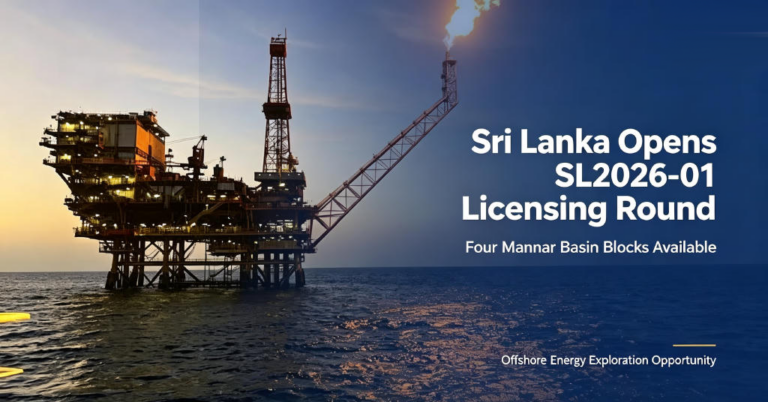


Sri Lanka’s fuel import expenditure has risen sharply in the first six months of 2026, climbing 58.8% to USD 3,168.4 million, according to the Monetary Policy Report – August 2026 issued by the Central Bank of Sri Lanka (CBSL). The increase marks a significant jump from the USD 1,995.7 million spent during the corresponding period in 2025.
Sharp Rise Across All Major Energy Categories
The report highlights notable increases across key energy import segments:
Crude oil imports rose by 7.5% to USD 479.5 million.
Refined petroleum products surged by 78.7%, reaching USD 2,538.6 million.
Coal imports increased by 16.1% to USD 150.4 million.
CBSL attributes the overall spike to higher global energy prices and increased domestic demand.
External Current Account Turns Negative
One of the most significant findings in the report is that Sri Lanka’s external current account recorded a deficit during the first half of 2026. The Central Bank identifies three primary drivers:
Rising fuel import costs
Increased motor vehicle imports
Declining tourism revenue
These factors collectively weakened the country’s external sector performance despite improvements in other areas of the economy.
Inflation Eases but Vulnerabilities Persist
Sri Lanka’s medium‑term inflation target remains at 5%, with a tolerance band of 3%–7%. While inflation has moderated, the Central Bank cautions that risks have not fully abated.
The report notes that although the economy has been recovering from the 2022 crisis, core structural weaknesses remain unresolved. Sri Lanka’s heavy dependence on essential imports—particularly fuel—continues to expose the economy to global price volatility. Fluctuations in international energy markets can simultaneously affect domestic inflation, transport costs, import bills, and foreign exchange stability.
A Recovery Still Exposed to External Shocks
The Central Bank’s assessment suggests that describing the economy as “fully normalised” would be premature. Instead, the report characterises Sri Lanka’s current position as:
“An economy that has regained a degree of stability, yet remains highly sensitive and exposed to external shocks.”
The interplay between fuel prices, foreign exchange conditions, import expenditure, and inflation forms a central risk line in the country’s economic outlook.
Overall Outlook
In summary, the Monetary Policy Report – August 2026 portrays Sri Lanka as recovering but still vulnerable, with external pressures—especially global energy price movements—continuing to shape the trajectory of economic stability.
About the Author