
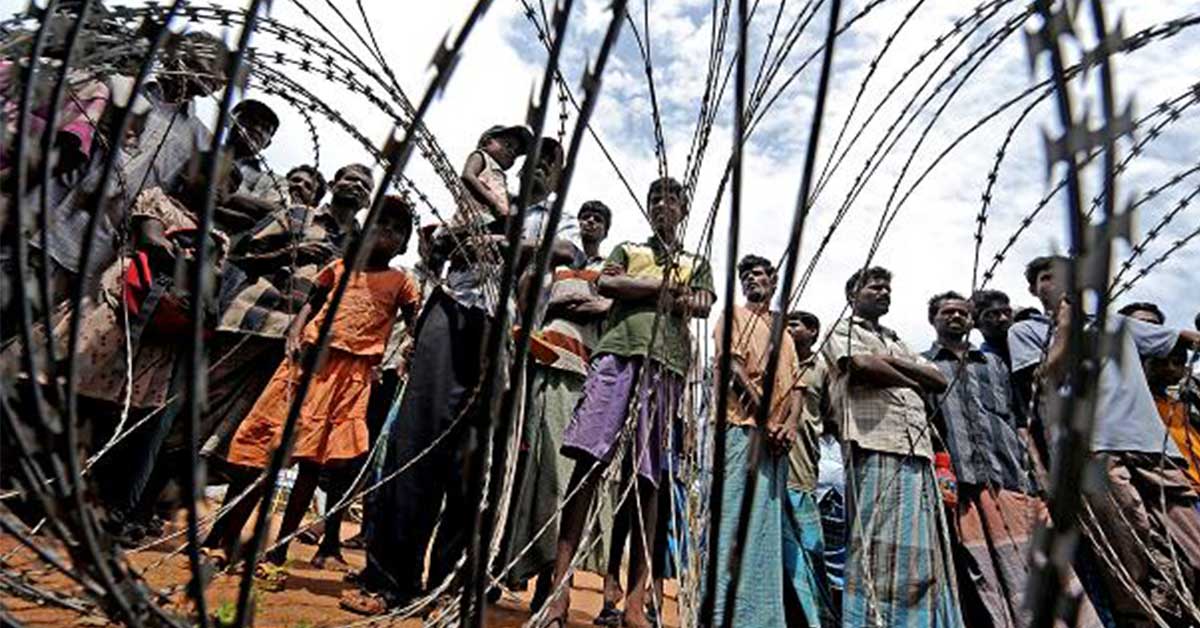
The Cabinet has approved a set of measures to enable the voluntary return of Sri Lankans who fled to India during the civil war and were subsequently registered as refugees, allowing them to re‑enter the country through approved ports without facing legal action under the Immigration and Emigration Act.
The move follows advice from the Attorney General, who recommended providing immigration clearance facilities for Sri Lankan refugees returning through the United Nations High Commissioner for Refugees (UNHCR).
Clearance Process for Pre‑2006 Departures
Under the newly approved mechanism, Sri Lankans who left the country before August 1, 2006, without using an approved port or valid travel documents, will be required to obtain a clearance report from the State Intelligence Service (SIS).
Their identities must first be verified as Sri Lankan citizens through Sri Lankan diplomatic missions in India. The SIS will then assess whether the individuals have been involved in murder, treason, or other offences covered by special legal provisions.
Those who pass the clearance process will be issued temporary passports and allowed to enter Sri Lanka through an approved port without facing prosecution under the Immigration and Emigration Act No. 20 of 1948.
Extension to Those Who Left During Final Phase of War
The same facility will apply to Sri Lankans who illegally migrated to India between August 1, 2006, and May 19, 2009, the final phase of the war. This category includes individuals who used an approved port but did not possess a valid passport.
Their identities must also be verified, and SIS clearance is mandatory before repatriation.
Legal Action for Serious Offences
Individuals found to have committed murder, treason, or other offences under special legal provisions will not be granted entry under the scheme. Instead, they will be detained at a police station and referred to the relevant authorities for further legal action.
Cabinet Approval
The proposal, submitted by the Minister of Public Security and Parliamentary Affairs, aims to facilitate the voluntary repatriation of Sri Lankans who were displaced during the conflict and have remained in India for years under refugee status.
Officials say the move is intended to support reconciliation efforts and provide a structured, lawful pathway for returnees seeking to rebuild their lives in Sri Lanka.

About the Author