
The International Monetary Fund (IMF) says discussions with Sri Lankan authorities on the Seventh Review of the Extended Fund Facility (EFF) have been “productive,” with negotiations continuing toward a staff‑level agreement in the near term. The talks also covered the Fund’s 2026 Article IV Consultation.
Resilient Growth Amid Global Shocks
According to a statement issued at the end of the mission, IMF team leader Evan Papageorgiou noted that Sri Lanka’s economy has demonstrated “remarkable resilience” despite successive global shocks. The economy grew 4.2 percent in the second quarter of 2026, marking eleven straight quarters of expansion. Gross official reserves climbed to US$6.9 billion by end‑August, while banks remain “well capitalized and profitable.”
Inflation rose to 8 percent in August due to the global oil price surge, but the IMF said expectations remain anchored. Fiscal performance in the first half of 2026 was strong, and debt restructuring is “largely completed.”
Downside Risks Persist
Despite the positive momentum, the IMF warned that risks remain tilted to the downside. Uncertainty stemming from the Middle East conflict, global trade tensions, and the impact of El Niño could weigh on Sri Lanka’s recovery.
The Fund stressed that safeguarding macroeconomic stability requires “unwavering commitment” to prudent policies, rebuilding buffers, and strengthening governance while protecting vulnerable groups.
Revenue Strategy, Tax Reforms, and Energy Pricing
A central recommendation is the development of a medium‑term revenue strategy to sustain tax mobilization and improve fairness. The IMF urged Sri Lanka to broaden the tax base, rationalize exemptions, and strengthen administration to boost compliance.
The mission also emphasized the importance of cost‑recovery energy pricing, warning that deviations could create fiscal risks through state‑owned enterprises.
Inflation Targeting and Monetary Policy
The IMF said monetary policy should remain ready to counter inflationary pressures. It recommended maintaining the 5 percent inflation target and the current accountability band at the upcoming statutory review, arguing that the target provides necessary flexibility amid volatile food and energy prices.
Greater exchange rate flexibility, the Fund said, is essential for absorbing shocks and supporting reserve accumulation.
Governance and Anti‑Corruption Concerns
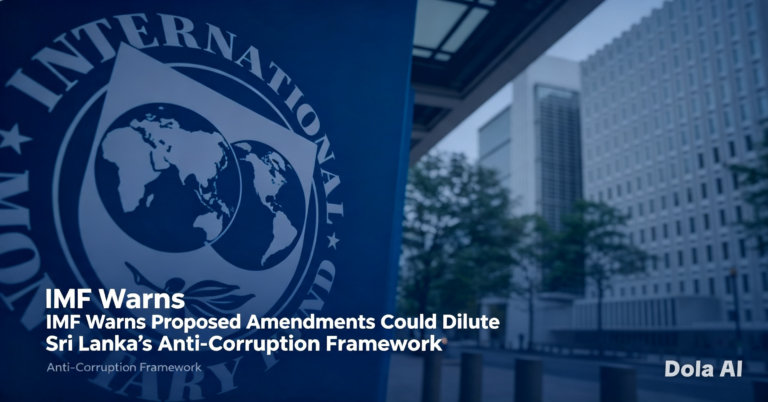
The IMF cautioned against weakening Sri Lanka’s anti‑corruption framework, noting that certain clauses in recently proposed amendments could undermine transparency and accountability.
Structural Reforms Needed for Transformation
Moving from stabilization to long‑term transformation will require sustained structural reforms, including:
- Liberalizing trade
- Modernizing business and labor regulations
- Improving access to finance
- Advancing digitalization
- Strengthening social protection
The IMF said these reforms are vital to attract investment, boost productivity, and ensure inclusive growth.
Focus on Northern Province Development
During the mission, the IMF team visited Jaffna and highlighted the Northern Province’s economic potential. Discussions with private sector and civil society groups underscored opportunities in agriculture, fisheries, tourism, renewable energy, and skills development.
High‑Level Engagement
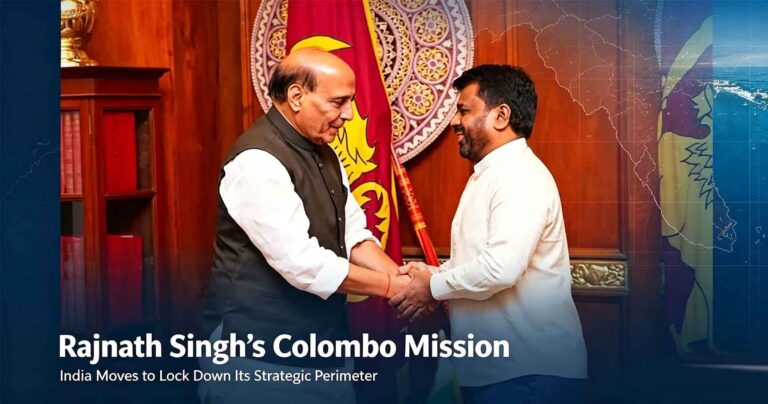
The IMF delegation met with President Anura Kumara Dissanayake, Prime Minister Dr. Harini Amarasuriya, senior ministers, Central Bank Governor Dr. Nandalal Weerasinghe, Treasury officials, provincial leaders, parliamentarians, private sector representatives, and development partners.
Path Ahead
The IMF reaffirmed its commitment to supporting Sri Lanka and said ongoing discussions aim to finalize a staff‑level agreement soon, paving the way for timely completion of the Seventh Review.
About the Author