
Sri Lanka’s national inflation climbed to 7.2 percent in July, marking the highest rate recorded in more than three years and raising renewed concerns about the cost of living for millions of households across the country.
Price Pressures Intensify Amid Fragile Recovery
The latest data signals a clear resurgence of inflationary pressure at a time when Sri Lanka is still attempting to stabilise its economy following the unprecedented financial crisis of 2022. The jump to 7.2 percent represents a significant acceleration compared to recent months, suggesting that underlying price drivers—particularly in food, fuel, and transport—are once again gaining momentum.
Economists warn that the uptick could complicate efforts by monetary authorities to maintain stability, especially as the Central Bank continues to balance inflation control with the need to support growth in a still‑recovering economy.
Rising Costs Hit Households Hard
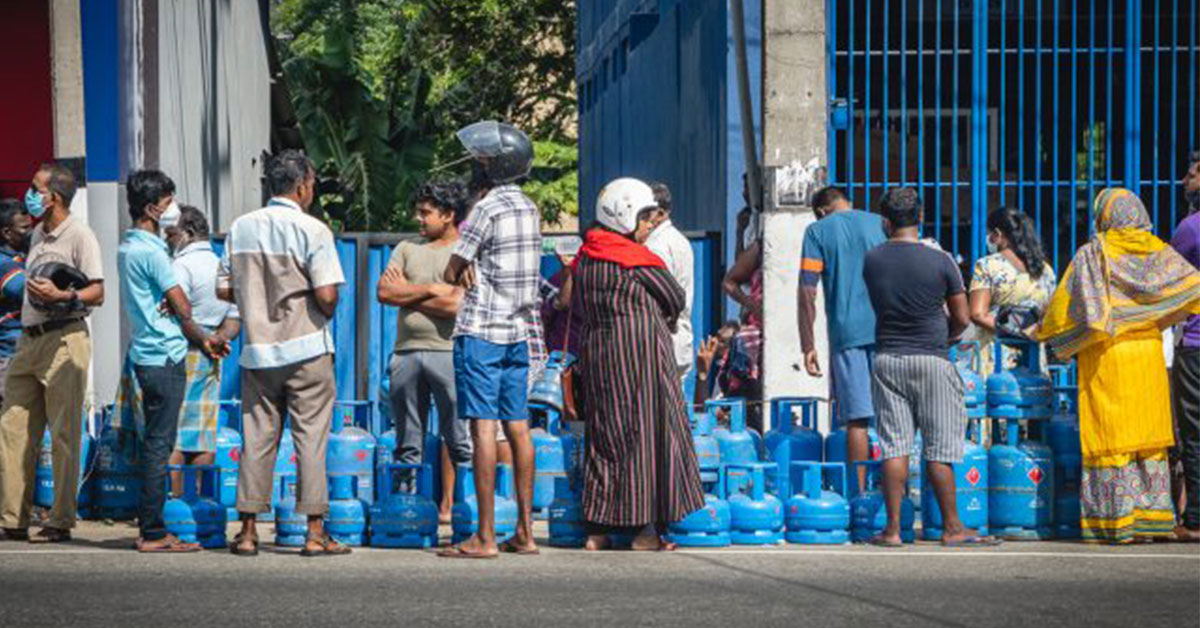
For ordinary Sri Lankans, the renewed rise in inflation translates directly into higher prices for essential goods and services. Households already stretched thin by years of economic hardship now face additional pressure as the cost of food staples, cooking gas, fuel, and other daily necessities continues to climb.
Lower and middle‑income families—many of whom have yet to fully recover from the shocks of the 2022 crisis—are expected to bear the brunt of the increases. Consumer advocates warn that even small price hikes can have outsized effects on vulnerable communities whose purchasing power has eroded significantly over the past four years.
A Sensitive Moment for Policymakers
Sri Lanka has spent the past two years attempting to rebuild economic confidence after defaulting on its foreign debt and experiencing severe shortages of fuel, medicine, and other critical imports. The return of elevated inflation at this stage of the recovery is likely to draw close scrutiny from the International Monetary Fund and international creditors monitoring the country’s reform commitments.
Analysts say the coming months will be crucial in determining whether July’s spike is a temporary fluctuation or the beginning of a more persistent inflationary trend. A sustained rise could test the resilience of Sri Lanka’s recovery and force policymakers to consider additional measures to contain price pressures without undermining growth.
Uncertain Path Ahead
While some officials argue that global commodity volatility and seasonal factors may have contributed to the July increase, others caution that structural weaknesses—particularly Sri Lanka’s dependence on imported fuel and food—continue to leave the economy highly exposed to external shocks.
With inflation now at its highest point since mid‑2023, economists will be watching closely to see whether August and September data confirm a new upward trajectory. For Sri Lankan households, however, the impact is already being felt, adding fresh urgency to the debate over how the country can protect consumers while sustaining its fragile recovery.
About the Author