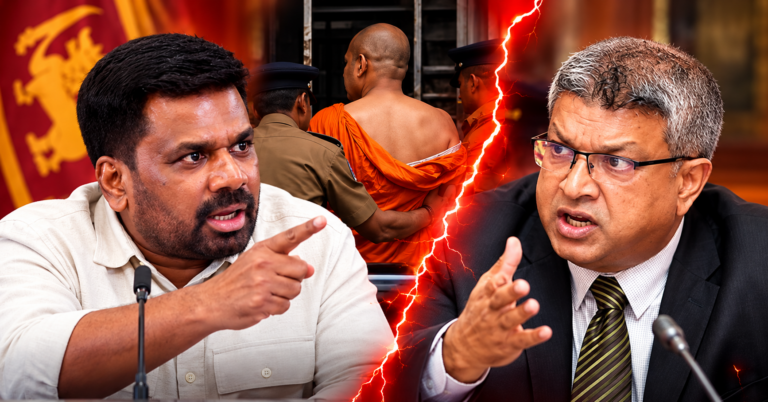

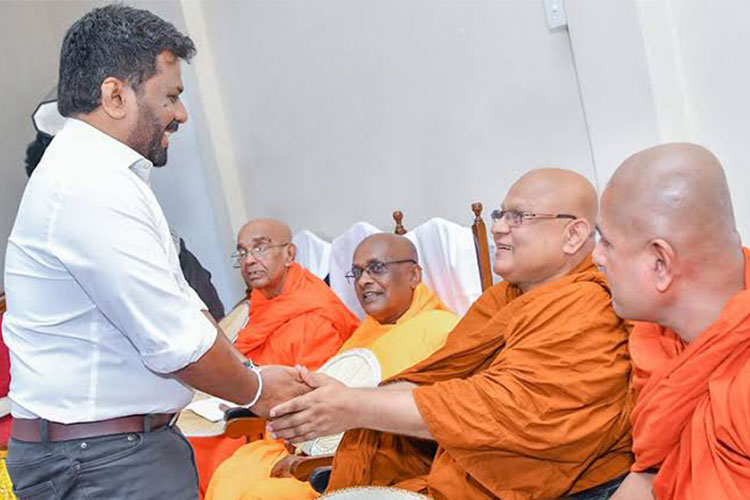
A significant intervention from the country’s top Buddhist clergy has added fresh pressure to the government’s proposed constitutional amendment seeking to extend the retirement age of judges. The President of the Bar Association of Sri Lanka (BASL), Rajiv Amarasinghe, confirmed that the Mahanayake Theras of the three Nikayas have formally written to President Anura Kumara Dissanayake, describing the amendment as “inappropriate and unsuitable.”
Clergy Warn Against Threats to Judicial Independence
In their letter, the Mahanayake Theras emphasized the need to safeguard the independence and dignity of Sri Lanka’s judiciary. They urged the President not to proceed with the amendment, warning that altering the retirement age could undermine public trust in judicial neutrality.
The proposal has already sparked intense debate within legal circles, political groups, and civil society, with critics arguing that such changes—especially when introduced during politically sensitive periods—could be perceived as attempts to influence judicial outcomes.
Controversy Surrounds Appointment of New Chief Justice
The development comes just days after Preethi Padman Surasena was appointed as the 49th Chief Justice of Sri Lanka on 27 July 2025. Surasena, born a Buddhist, is reported by sources familiar with the matter to have become a committed follower of an evangelical “Born Again” denomination, allegedly under the influence of his spouse.
According to these sources, Surasena is said to be a lifetime member of the religious movement led by “Prophet Jerome.” This affiliation reportedly prompted the Mahanayake Theras of the Malwatte and Asgiriya Chapters to request the President to reconsider appointing him to the highest judicial office.
President’s Silent Response and Alleged External Influence
Despite the clergy’s concerns, President Anura Kumara Dissanayake proceeded with Surasena’s appointment. Political insiders claim the decision was influenced by a woman close to the President who is associated with the Born Again movement. The President has not publicly commented on these allegations.
Growing Tension Between Clergy and Executive
The dual controversies—over the constitutional amendment and the Chief Justice’s appointment—have intensified scrutiny of the government’s relationship with the judiciary and religious institutions. Analysts warn that continued friction could escalate into a broader debate on the separation of powers and the role of religious authority in state affairs.
About the Author