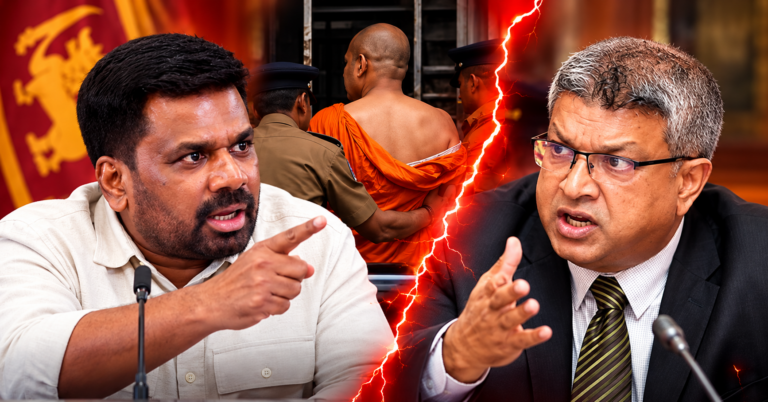

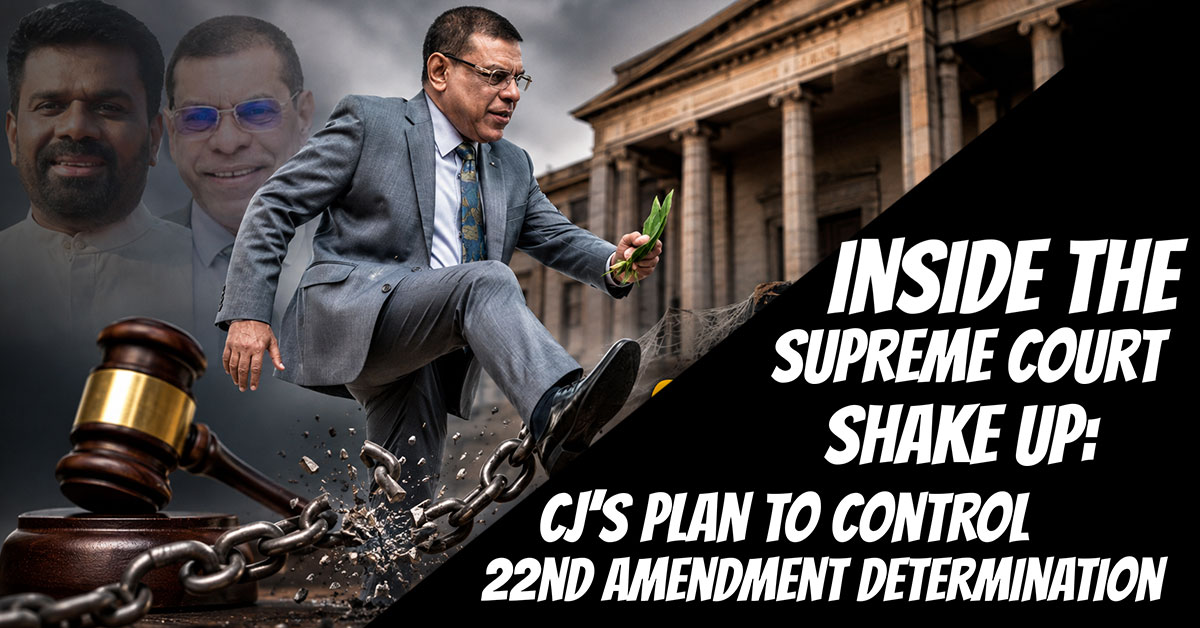
Sri Lanka is heading into an unprecedented judicial confrontation as Chief Justice Preethi Padman Surasena prepares to appoint a A specially hand‑picked seven‑judge bench —rather than a full bench of the Supreme Court—to decide the constitutionality of the highly contentious 22nd Amendment to the Constitution.
Petitioners Demand Full Bench for a Matter Affecting Judicial Independence
Multiple petitioners, including the Bar Association of Sri Lanka (BASL), have formally requested that the Supreme Court convene a full bench to determine whether the 22nd Amendment is consistent with the Constitution. Their argument is grounded in the principle that the amendment directly affects the judiciary—particularly the tenure of sitting judges—and therefore requires the highest level of judicial scrutiny.
The BASL and other petitioners insist that the amendment may violate Article 3, which protects the sovereignty of the people, including the right to an independent judiciary. They argue that any change affecting incumbent judges’ tenure may require approval by a referendum.
Chief Justice’s Plan: A Select Bench of Junior Judges
Reliable sources indicate that Chief Justice Surasena has decided not to convene the full bench of 13 judges currently serving on the Supreme Court. Instead, he plans to:
- Appoint three separate panels to hear three constitutional amendment Bills simultaneously:
- 22nd Amendment Bill (18 August)
- Judicature Act Amendment Bill (18 August)
- Anti‑Corruption Amendment Bill (19 August)
- Divide the most senior judges among the three panels
- Assign six junior judges—described as loyal to him—to the seven‑judge bench that will hear the 22nd Amendment
- Preside over the bench himself, despite the amendment directly affecting his own tenure
This arrangement would leave the 22nd Amendment to be decided by a bench dominated by junior judges, bypassing the traditional practice of selecting the seven most senior judges for such a matter.
Conflict of Interest Concerns Intensify
The 22nd Amendment proposes to:
- Raise the retirement age of Supreme Court judges from 65 to 67
- Raise the retirement age of Court of Appeal judges from 63 to 65
- Introduce a six‑year maximum term for the Chief Justice
Because these provisions directly affect the Chief Justice’s own tenure, legal experts argue that the principle of natural justice—no one should be a judge in their own cause—makes it inappropriate for him to sit on the bench.
Nevertheless, sources say an understanding has been reached between the Chief Justice and powerful government figures enabling him to preside over the case while selecting judges perceived as aligned with him.
A High‑Stakes Constitutional Battle
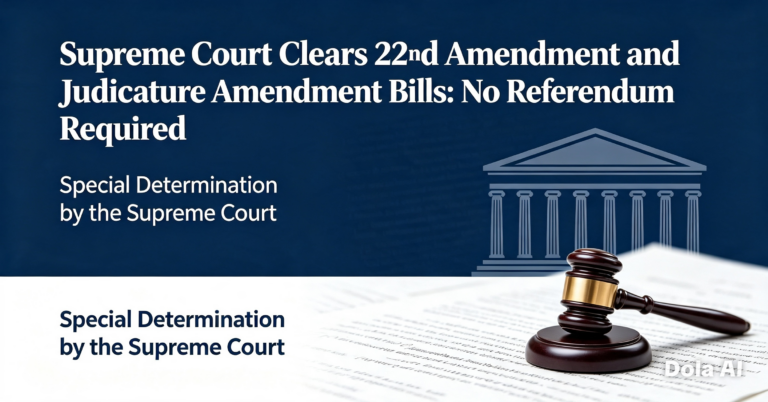
The Supreme Court is currently handling a surge of petitions—over 40 according to some reports—challenging the amendment. The BASL, SJB, Prof. G.L. Peiris, Free Lawyers Movement, and several civil society groups have filed petitions arguing that the amendment threatens judicial independence and may constitute “abusive constitutionalism” aimed at reshaping the judiciary to benefit the executive.
The Court must deliver its determination within 21 days of the Bill being placed on the Order Paper. If the Court finds the Bill inconsistent with Article 3, it must be approved by a referendum in addition to a two‑thirds parliamentary majority.
About the Author