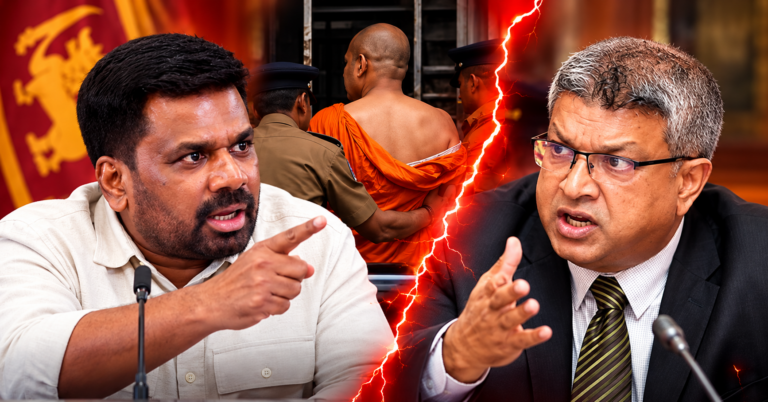

Sri Lanka’s most senior Buddhist clergy have raised concerns over what they describe as an unprecedented lack of acknowledgment from President Anura Kumara Dissanayake regarding a letter sent by the Mahanayake Theras on the government’s proposal to extend the retirement age of senior judges.
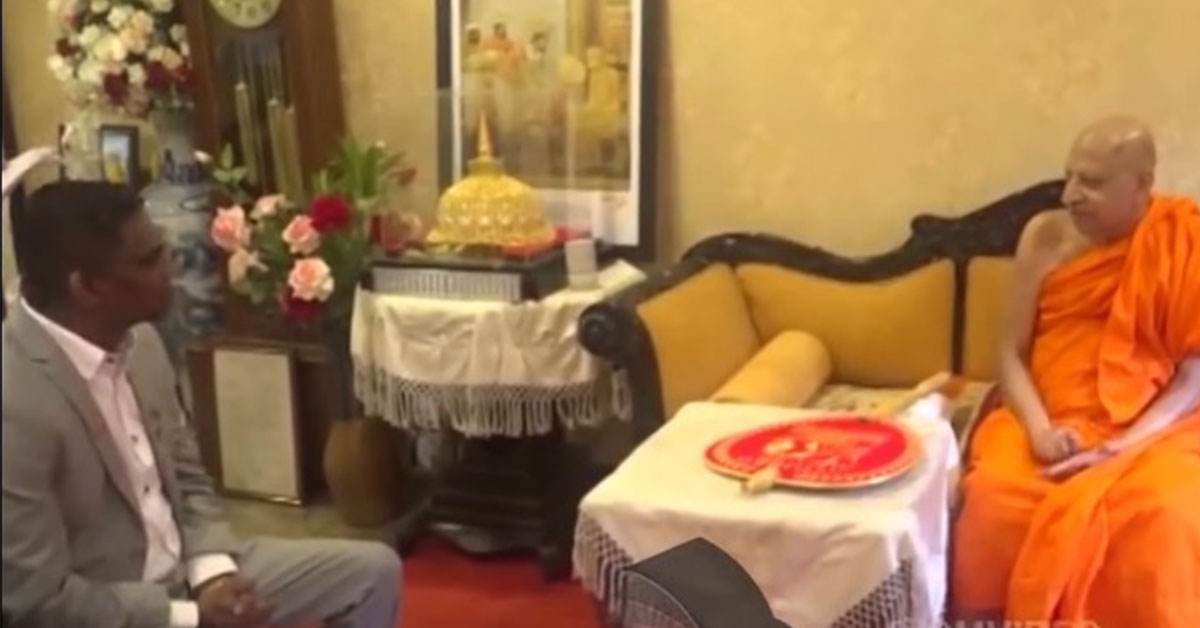
The Most Venerable Thibbatuwawe Sri Siddhartha Sumangala Thera, Mahanayake of the Malwatte Chapter, said the chief prelates of the three Chapters had not received even a basic confirmation that their communication had reached the President.
Speaking in Kandy during a meeting with representatives of an international human rights organization, the prelate said the silence was inconsistent with long‑standing protocol.
“When the Mahanayake Theras send a letter to the President or the rulers of the country, it is customary for us to receive a response acknowledging that the letter has been received,” he said. “We have not even been informed whether the letter was received.”
The letter, which outlined the Sangha’s position on the proposed constitutional amendment to raise the retirement age of Supreme Court judges from 65 to 67 and Court of Appeal judges from 63 to 65, was confirmed as dispatched by the Malwatte Mahanayake earlier this month.
Although the government later stated that the President had indeed received the communication, the chief prelates say they have yet to receive any formal acknowledgment. Cabinet spokesman and Health Minister Nalinda Jayatissa said the concerns raised by the clergy were taken into account during internal discussions.
Concerns Over Tradition and Governance
The Malwatte Mahanayake said advising rulers on matters of national importance was a historic duty of the Maha Sangha, dating back to the era of Sri Lankan kings.
“Providing advice and guidance is something we have traditionally done,” he said. “But what is happening now raises questions even for us.”
He noted that some MPs and ministers had publicly suggested the President never received the letter, contradicting the government’s later confirmation.
The prelate also criticized successive governments for failing to maintain consistent national policies, saying each administration routinely dismantles the initiatives of its predecessor.
“Policies are introduced on certain matters, and the next government comes in and abolishes them. The country remains in the same place.”
Education, Consumer Protection, and Farmers’ Struggles
The Mahanayake Thera expressed concern over the rapid expansion of private tuition classes, now targeting children as young as Grade One. He said Sunday tuition was preventing children from attending Dhamma schools and called for stronger regulation.
He also criticized the poor quality of goods in the market and said repeated appeals to authorities had produced little improvement.
Turning to the country’s agricultural sector, the prelate said farmers were facing severe hardship.
“If you speak with them, you can understand the true situation in the country.”
Government Sources Reject Interpretation of a Rift
Sources familiar with the administration’s position said the lack of acknowledgment should not be viewed as an attempt to distance the government from the Buddhist clergy. They pointed to President Dissanayake’s repeated visits to the Malwatte and Asgiriya Chapters and his public statements on the importance of safeguarding Buddhism.
Justice Minister Harshana Nanayakkara and Cabinet spokesman Nalinda Jayatissa also met the chief prelates recently to explain the government’s stance on judicial reforms.
According to the sources, the issue appears to stem from the handling of this particular communication rather than any broader shift in the government’s relationship with the Maha Sangha. The administration has not yet publicly explained why the letter went unanswered.
About the Author